
Florida’s Litigation Privilege: When Statements in Judicial Proceedings Are Protected

Florida’s litigation privilege protects advocacy and participation in judicial proceedings by preventing many statements and acts connected to those proceedings from becoming the basis of a separate tort suit. In a defamation dispute, the privilege can be dispositive even where the challenged words would otherwise appear actionable.
The doctrine is broad, but it should not be reduced to the inaccurate proposition that anything said by anyone near a lawsuit is immune. The speaker, setting, audience, function, and relationship between the communication and the proceeding remain critical.
The Privilege Supports Candid Judicial Proceedings
Courts recognize that parties, counsel, witnesses, and other participants must be able to communicate in litigation without facing a later damages action every time an opponent disputes the statement. The privilege channels disputes into the proceeding itself, where courts can use evidentiary rulings, protective orders, sanctions, contempt, and professional discipline to address misconduct.
That policy is strongest in settings with judicial supervision and procedural safeguards—pleadings, hearings, depositions, testimony, and communications performing a legitimate litigation function.
Florida Recognizes Absolute Protection for Related Acts in Judicial Proceedings
In Levin, Middlebrooks, Mabie, Thomas, Mayes & Mitchell, P.A. v. United States Fire Insurance Co., the Florida Supreme Court held that absolute immunity applies to acts occurring during a judicial proceeding so long as the act has some relation to the proceeding. 639 So. 2d 606, 608–09 (Fla. 1994). The Court explained that the privilege is not limited to claims labeled defamation and can defeat other tort theories based on the same privileged conduct.
The “relation” requirement is intentionally broad, but it is not meaningless. Courts examine whether the communication served or bore a genuine connection to the litigation rather than merely occurring while litigation existed.
Formal Setting and Litigation Function Matter
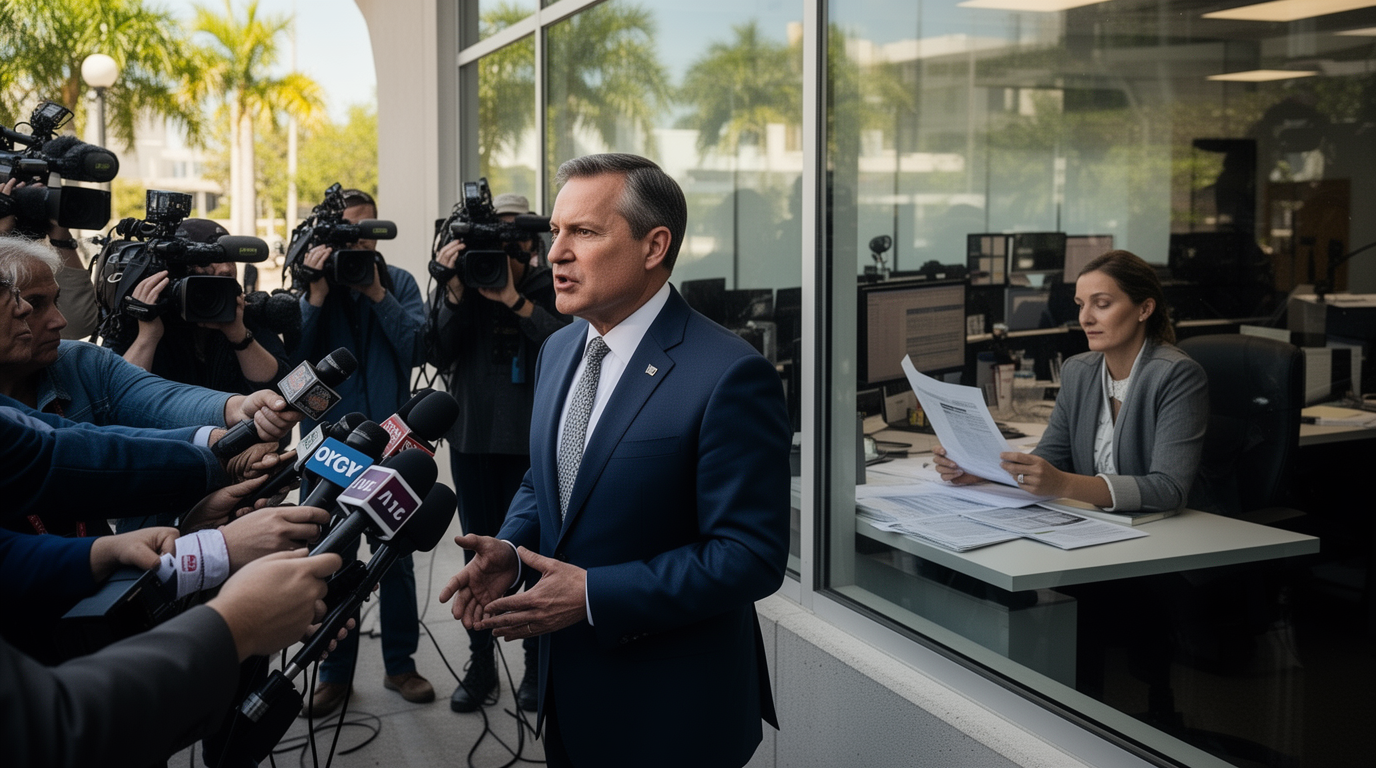
A statement in a pleading, in-court presentation, or properly conducted deposition occupies a different position from a statement repeated to customers, the press, social media, or unrelated third parties. The latter communications may create new publications and audiences that the litigation did not require.
Counsel should identify the precise communication being challenged, not merely the subject matter. Who said it, to whom, when, through what medium, and for what litigation purpose can determine whether the privilege applies.
DelMonico Limits Automatic Absolute Privilege Outside Formal Proceedings
In DelMonico v. Traynor, the Florida Supreme Court declined to extend absolute privilege categorically to an attorney’s ex parte, out-of-court statements made while informally questioning potential nonparty witnesses. 116 So. 3d 1205, 1217–20 (Fla. 2013). The absence of formal judicial safeguards and the nature of the communications mattered.
The Court recognized that a qualified privilege could still apply to statements relevant to the underlying litigation. Under that framework, the plaintiff may be required to prove express malice. But statements unrelated to the inquiry do not obtain protection merely because the speaker was investigating a lawsuit.
Qualified Privilege Is Different from Absolute Privilege
Absolute privilege bars liability even when the plaintiff alleges improper motive, provided the communication falls within the protected setting and relationship. Qualified privilege instead protects communications made on a proper occasion, from a proper motive, and to a proper audience, but can be defeated by the required showing of malice or abuse.
The distinction changes the discovery and proof. A case involving qualified privilege may require evidence about motive, knowledge, audience, investigation, and repetition that would be immaterial if absolute privilege conclusively applied.
Privilege Does Not Mean the Conduct Is Professionally Acceptable
The privilege addresses civil tort liability. It does not create a license to make irrelevant accusations, violate discovery orders, disclose protected information, mislead a tribunal, or disregard professional obligations. Courts retain authority to control proceedings and remedy abuses through sanctions and other mechanisms.
A lawyer or party should therefore analyze both questions: whether a later tort claim is barred and whether the conduct may produce consequences within the case or under another governing rule.
Preserve the Complete Context
Privilege disputes are often lost or won on context. Parties should preserve the entire pleading, transcript, email chain, interview record, distribution list, publication history, and procedural posture. A screenshot or quotation detached from its setting may omit facts necessary to evaluate audience, litigation purpose, and republication.
Early preservation is especially important for online statements and informal communications, which may be edited or deleted and may not fit neatly within a formal court record.
How Equity Legal Can Help
Equity Legal represents individuals and businesses in Florida defamation and complex litigation matters, including disputes involving litigation privilege, republication, online speech, evidence preservation, subpoenas, and protective relief. The privilege should be evaluated communication by communication rather than assumed from the existence of a lawsuit.
This article is for general informational purposes only and does not constitute legal advice. Reading it does not create an attorney-client relationship. Legal requirements can change, and application depends on the facts.


Comments